The Art of Horology
Welcome to The Watches Atlas blog, where horology meets expertise. Our Montreal-based team of watch enthusiasts and industry insiders brings you comprehensive guides, unbiased reviews, and deep dives into the world of timepieces.
Whether you're a seasoned collector or just beginning your watch journey, our articles cover essential topics: from how to choose a watch that fits your style and budget, to the rich history behind iconic watchmakers.
Curious about our team and review philosophy? Learn more on ourAbout page.

Luxury Watches You Can’t Just Buy: Brands Beyond Money
Some watches are more than timekeepers — they’re keys to an exclusive world. Explore why iconic models like the Rolex Daytona, Patek Philippe Nautilus, Audemars Piguet Royal Oak, and rare independents like Richard Mille or Philippe Dufour are almost impossible to buy, and how collectors navigate scarcity, waiting lists, and the secondary market to own them.
Read Article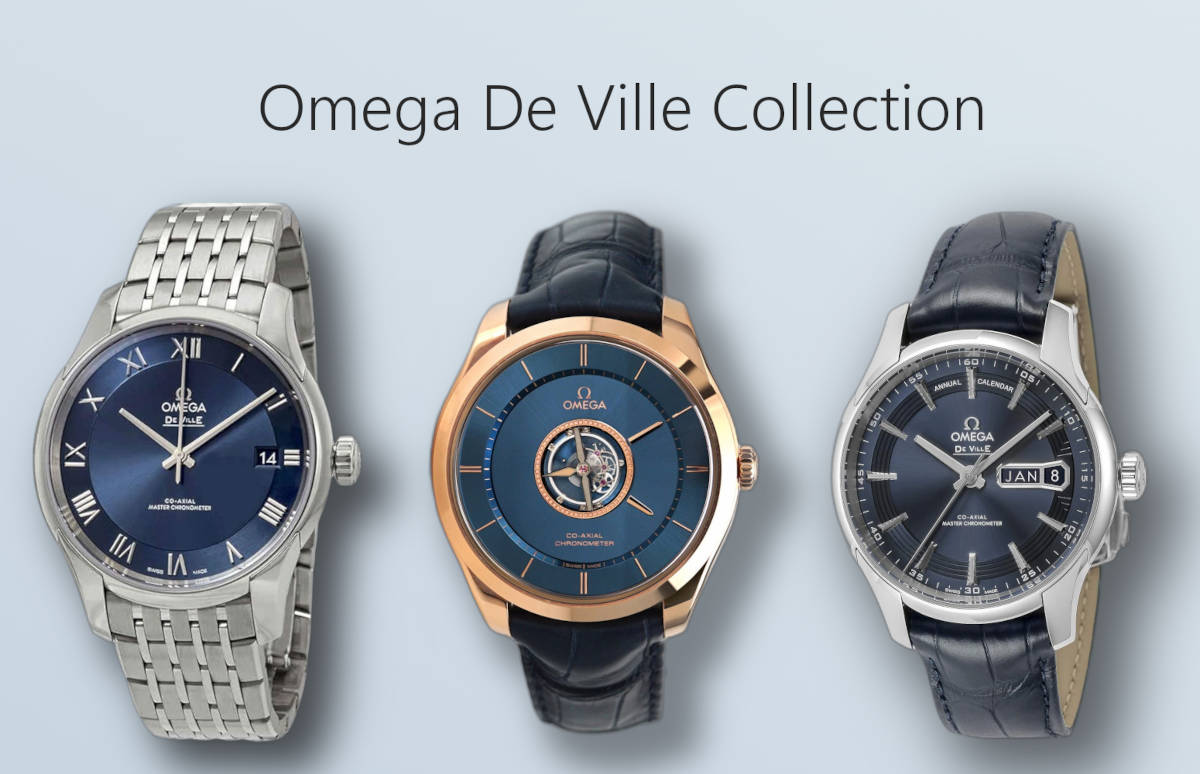
Omega De Ville: History & Complete Guide
The Omega De Ville represents the brand’s most elegant and refined collection. From its 1960s origins to modern innovations like Co-Axial and Master Chronometer movements, explore Prestige, Trésor, Hour Vision, Ladymatic, and Tourbillon models in this comprehensive guide for collectors and watch enthusiasts.
Read Article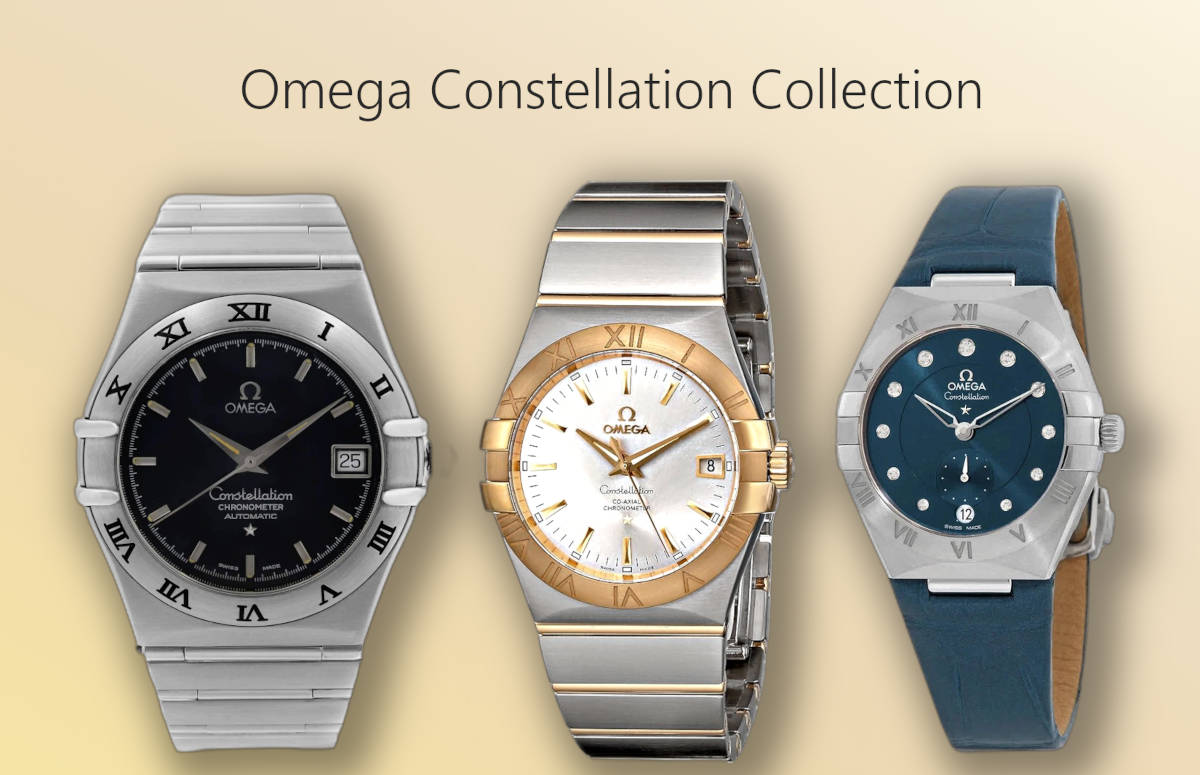
Omega Constellation: History, Models & Collector’s Guide
The Omega Constellation is one of the brand’s most enduring collections, known for its precision, elegance, and iconic design. In this complete guide, we trace its history from the 1950s to today, explore notable models like the Constellation Manhattan, and highlight why it remains a must-have for collectors and enthusiasts alike.
Read Article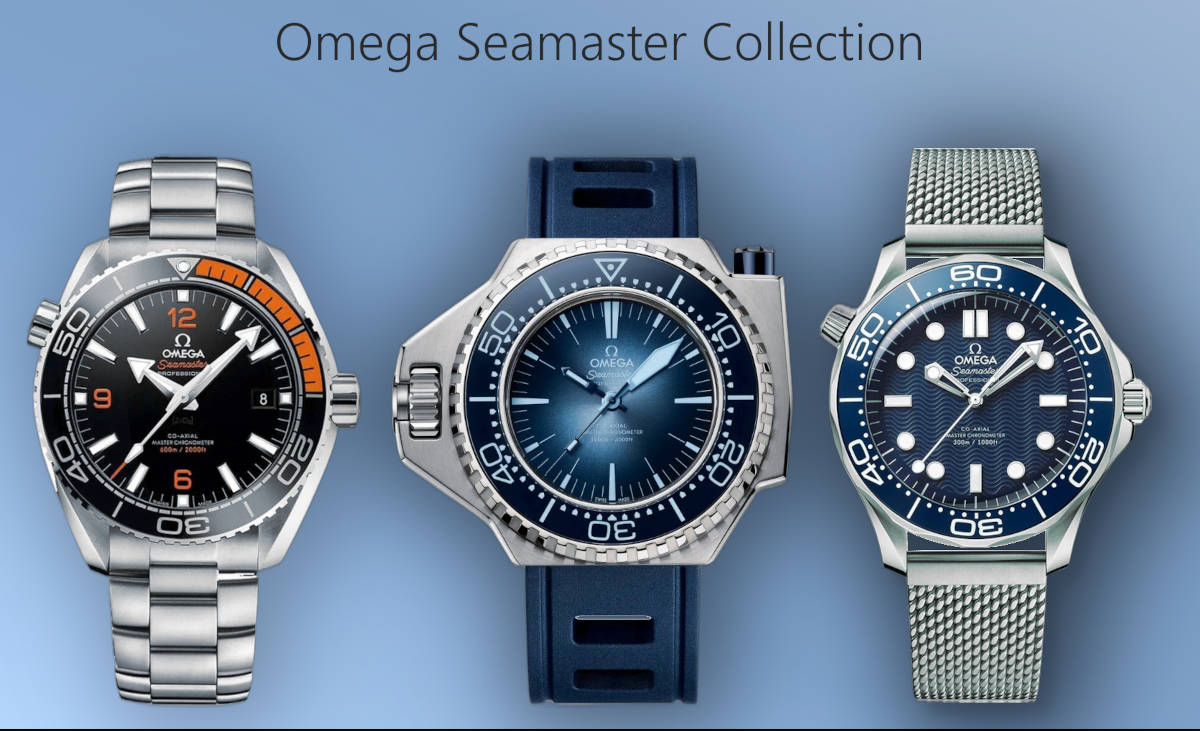
Omega Seamaster: History & Complete Guide to the Legendary Dive Watch
From military roots to James Bond fame, the Omega Seamaster is the world’s most iconic dive watch. Explore its history, models, and technical evolution.
Read Article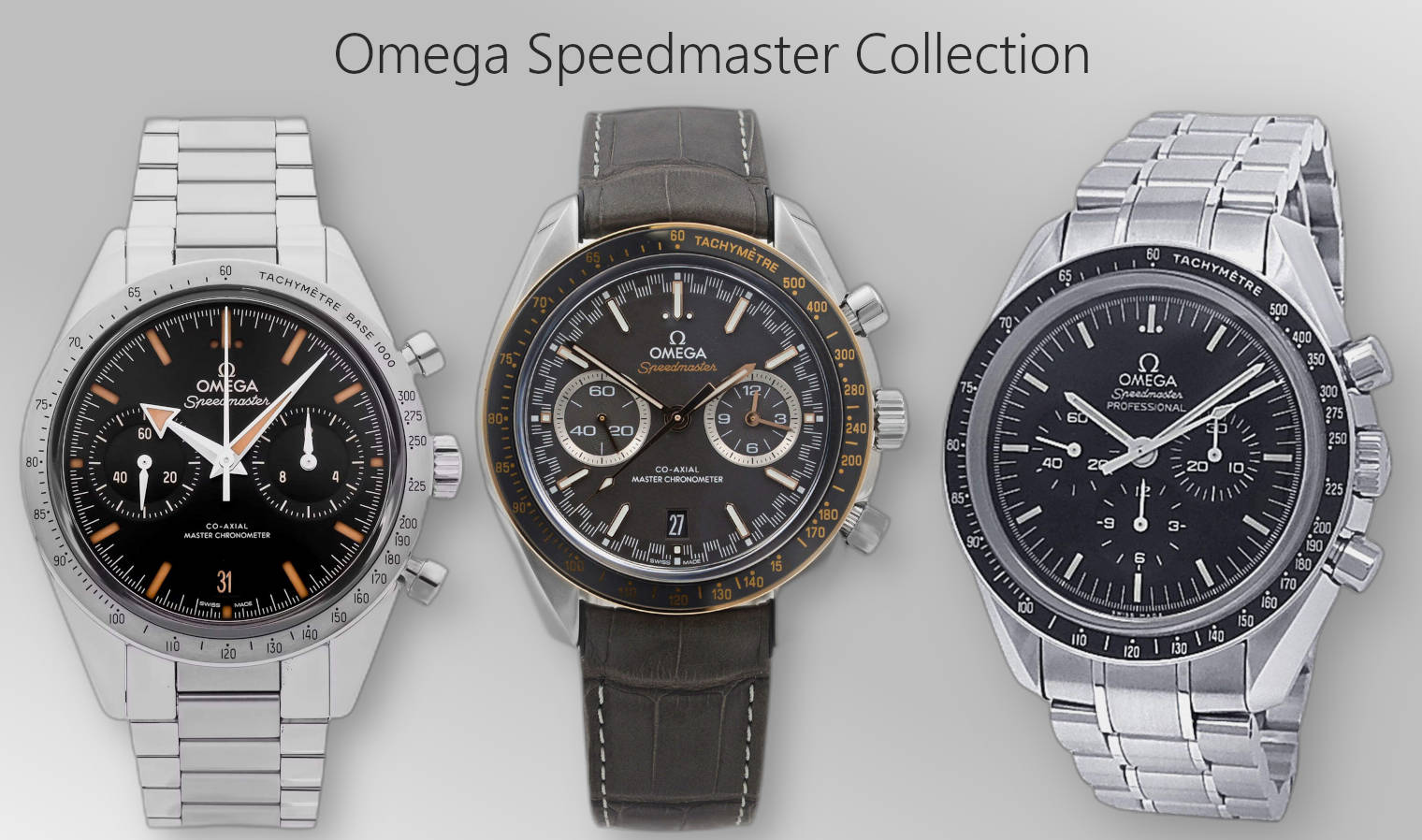
Omega Speedmaster: History, Models & The Moonwatch Legacy
The Omega Speedmaster is more than a watch—it’s the Moonwatch, worn during NASA’s Apollo missions and celebrated worldwide for its precision and timeless design. Explore its history, famous models, and lasting legacy in our in-depth guide.
Read Article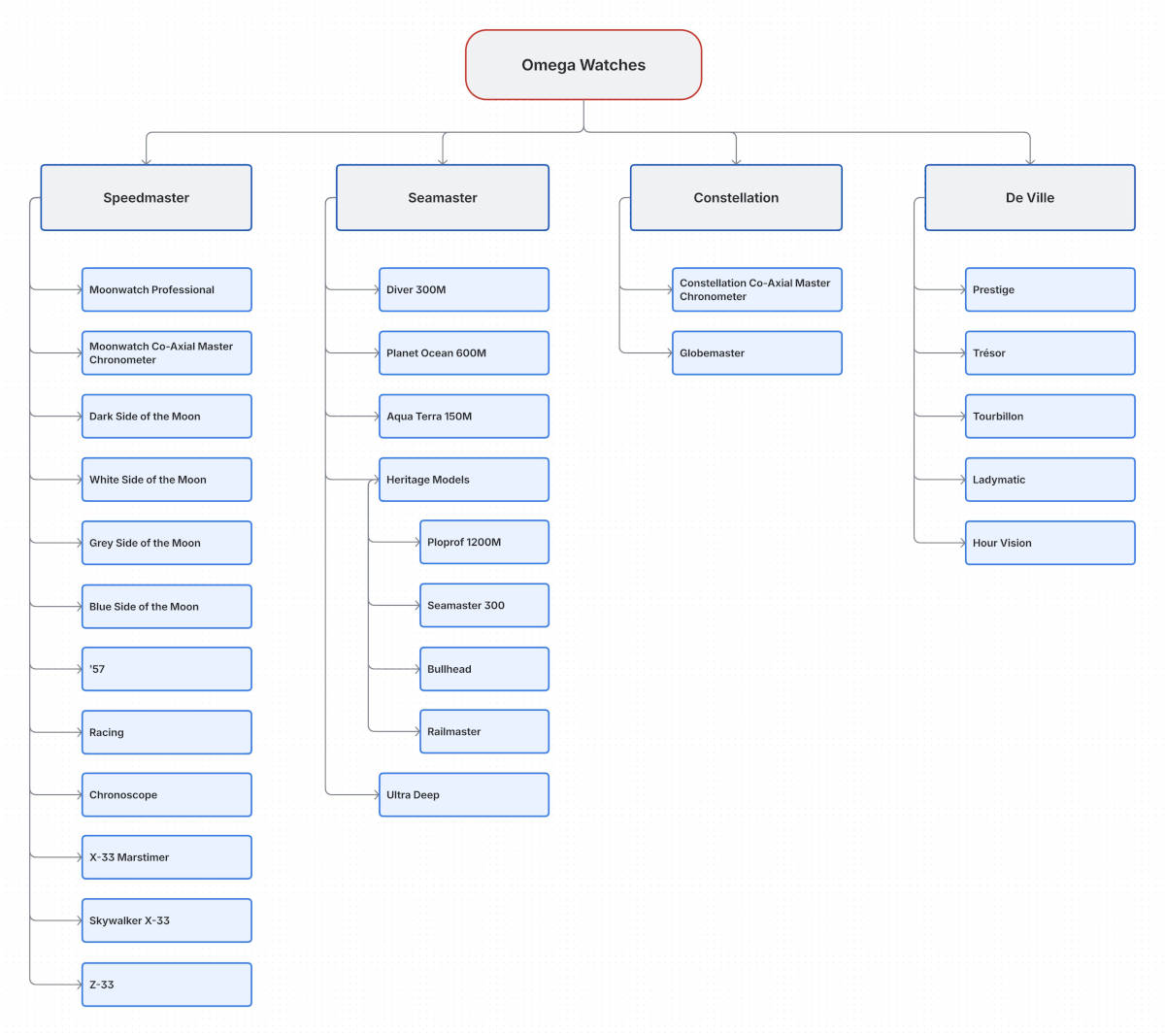
Complete Guide to Omega Watch Series: Speedmaster, Seamaster, Constellation & More
Explore the complete world of Omega watches in this detailed guide. From the iconic Speedmaster to the professional Seamaster, elegant Constellation, and refined De Ville, discover every series and sub-collection that defines Omega’s legacy in watchmaking.
Read Article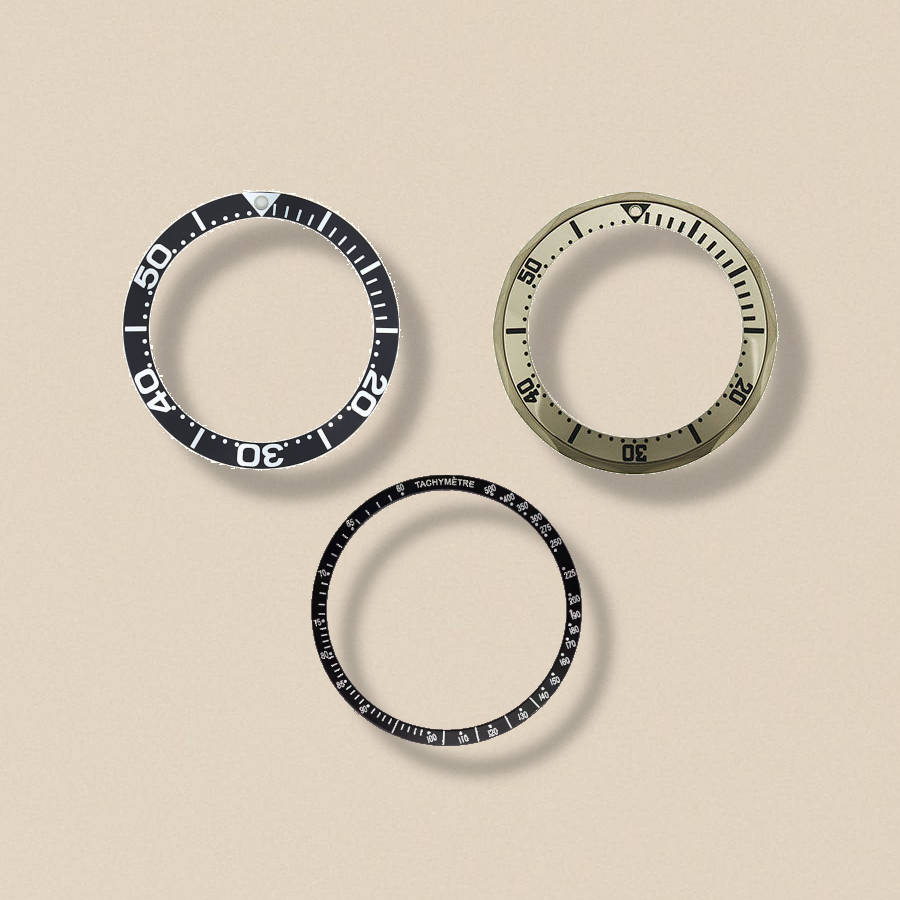
The Watch Bezel: History, Types, and Collecting Insights
Discover the history and evolution of the watch bezel, from early decorative designs to dive, GMT, tachymeter, and luxury bezels. Learn how different types work, explore iconic models like the Rolex Submariner, GMT-Master, Omega Speedmaster, and Breitling Navitimer, and see why bezels remain essential for collectors and enthusiasts today.
Read Article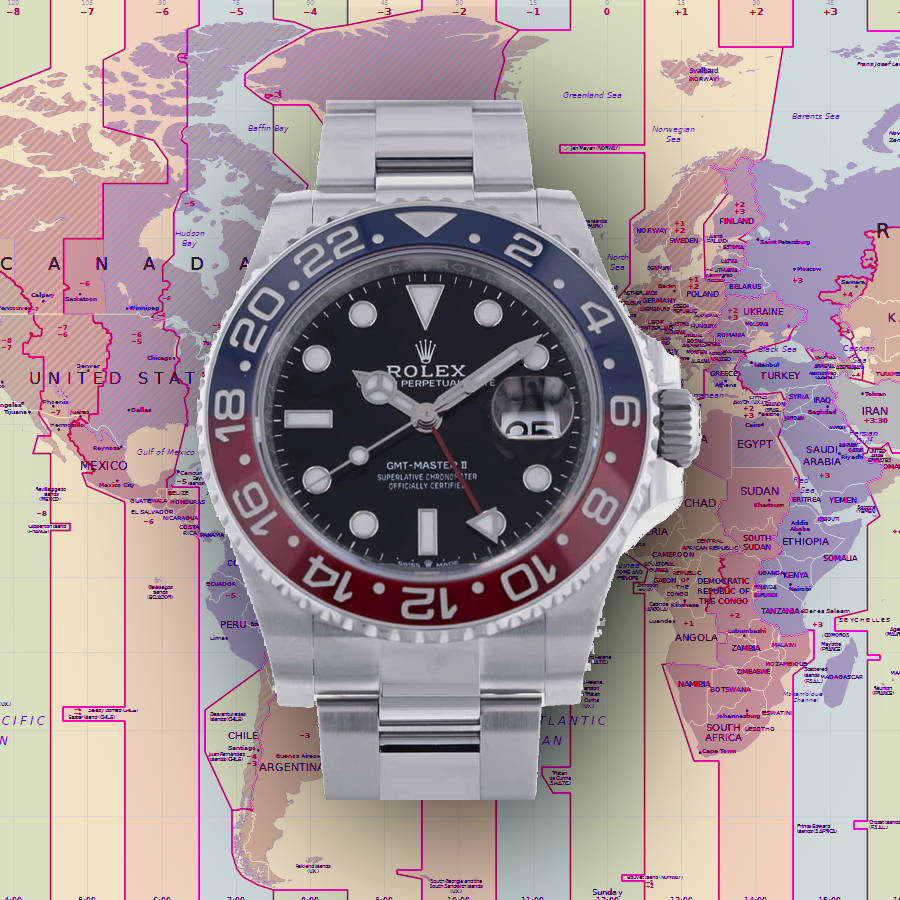
Time Zone Complications in Watches: GMT, World Time, and Beyond
Explore the world of time zone complications in watches - from classic GMT models to intricate World Time and multiple-zone designs. Learn their history, uses, and see top examples from Rolex, Patek Philippe, Vacheron Constantin, and more. Perfect for travelers, pilots, and collectors.
Read Article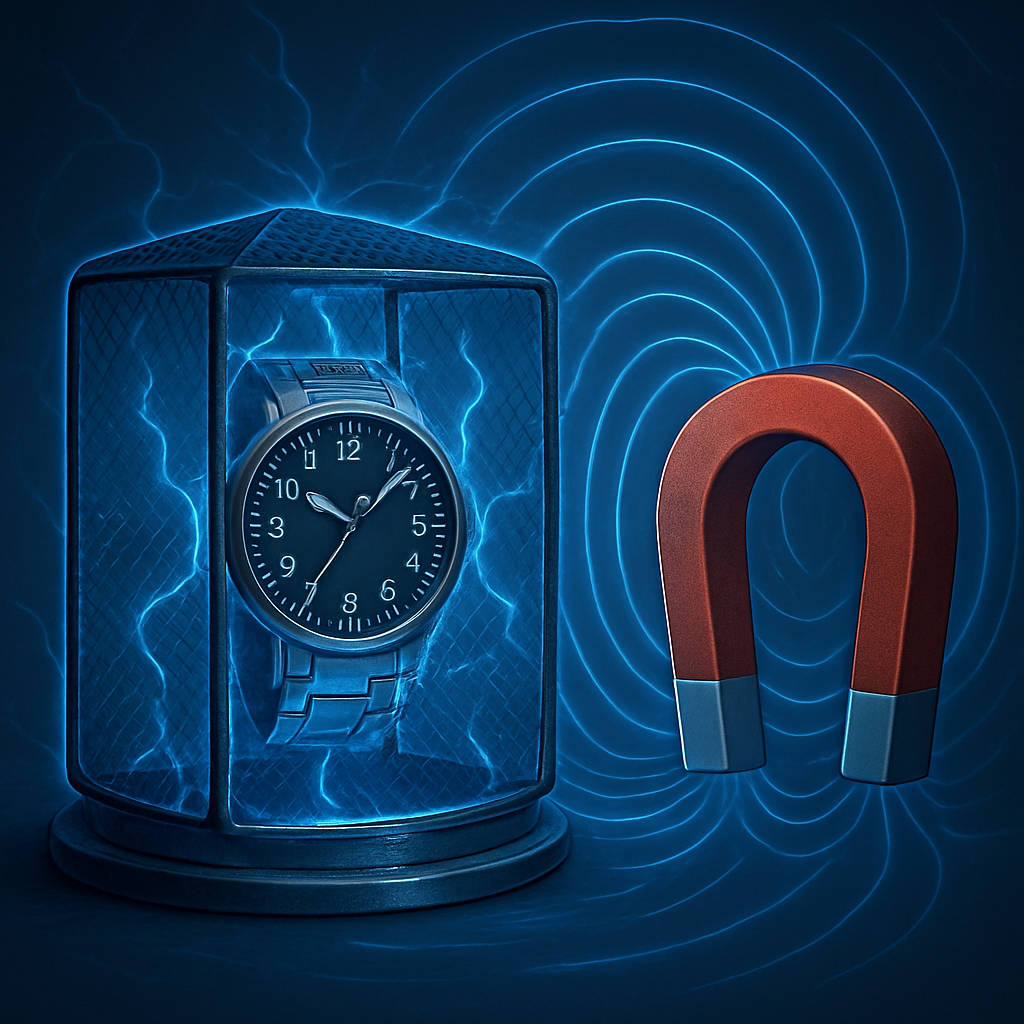
Antimagnetic Watches: Protection Against Magnetic Fields
Magnetic fields can ruin your mechanical watch’s accuracy - or stop it entirely. This in-depth guide explains the history of antimagnetic watches, how magnetism affects mechanics, the materials and standards used to fight it, and how you can detect and fix magnetization at home. Plus, real model examples from Omega, Rolex, and more.
Read Article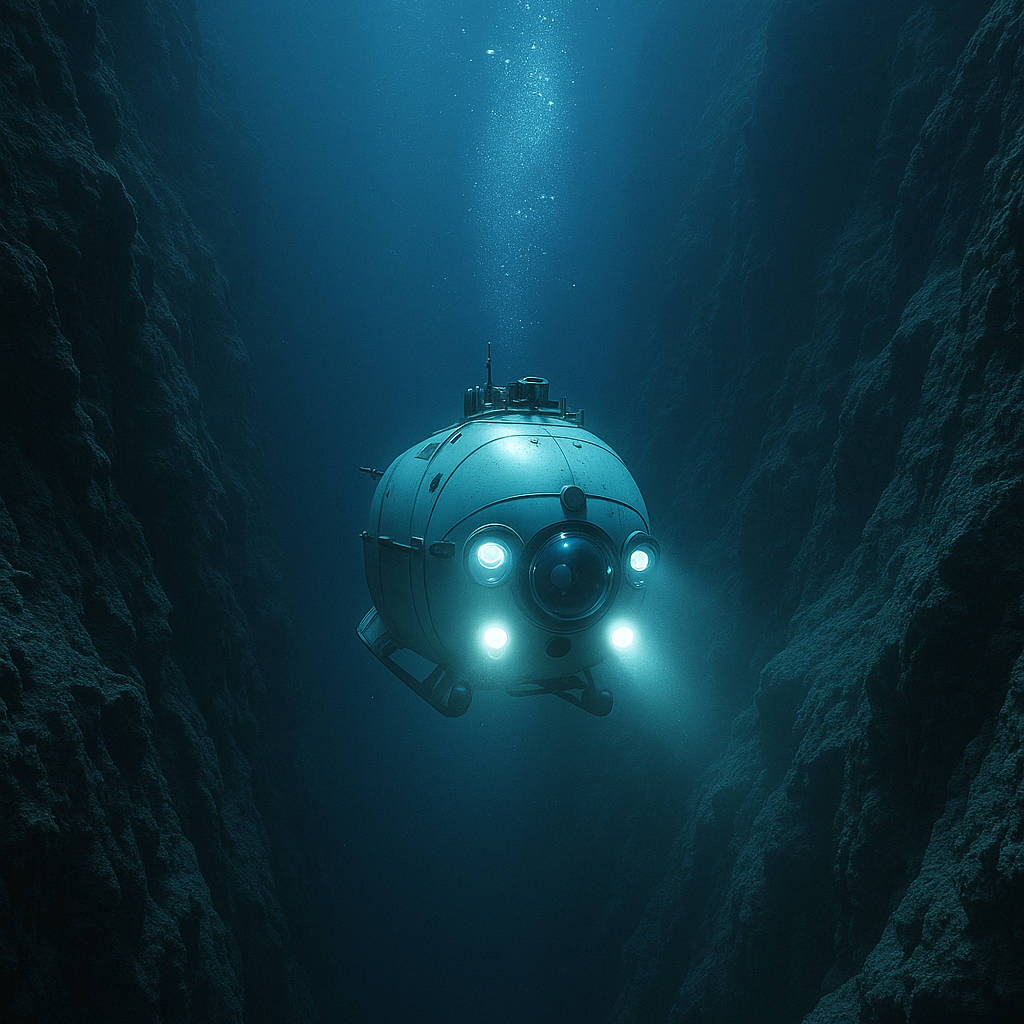
Rolex Deepsea Challenge: The Deepest Diving Watch Ever
The Rolex Deepsea Challenge isn’t just a luxury dive watch—it’s a record-breaking piece of engineering. Created for James Cameron’s historic dive to the Mariana Trench, this watch withstood the crushing pressure of 10,908 meters under the sea. Explore how Rolex pushed the limits of mechanical watchmaking to build a timepiece like no other.
Read Article